
Hardware talent needs better proof.
Syqnal exists because real engineering work is hard to explain with resumes, static PDFs, and generic profile sites. This page is the human side of that problem: what it feels like for students trying to stand out, and for reviewers trying to understand what was actually built.
Builders usually do not lack effort. They lack structure. Syqnal gives them a clearer way to document objectives, constraints, trade-offs, outcomes, and evidence.
The point is not a prettier profile. It is a project record that mentors, schools, recruiters, and admissions readers can actually inspect.
The page should show what was built, what changed, what failed, and what proof exists, instead of relying on polished claims alone.
Students get structure. Reviewers get signal.
The goal is not to make project pages look more impressive than they are. The goal is to make real engineering work easier to understand, compare, and trust.
Story 01: The Student Trying To Stand Out
The work is real. The proof is thin.
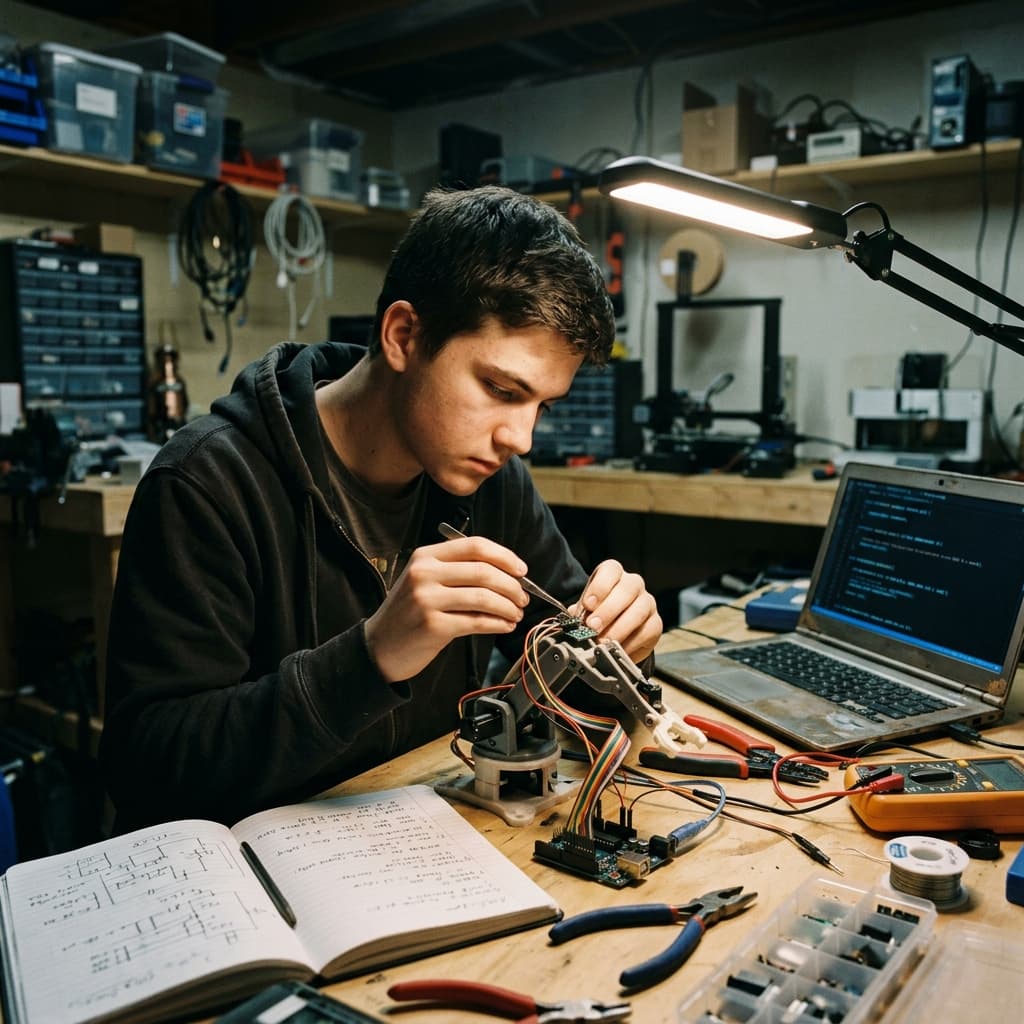
Alex is already building. He stays late debugging electronics, testing ideas, and learning by iteration. But when application time comes, most of that effort gets flattened into a few lines on a form. The issue is not motivation. The issue is that real engineering work is hard to evaluate when there is no structured record behind it.
Structure changes the trajectory.
Instead of starting from a blank page, Alex now has a clearer way to choose a project direction and document it properly. He can connect what he wants to build with the kind of engineering path he cares about, then use a guided builder to turn the work into something more legible from the start.
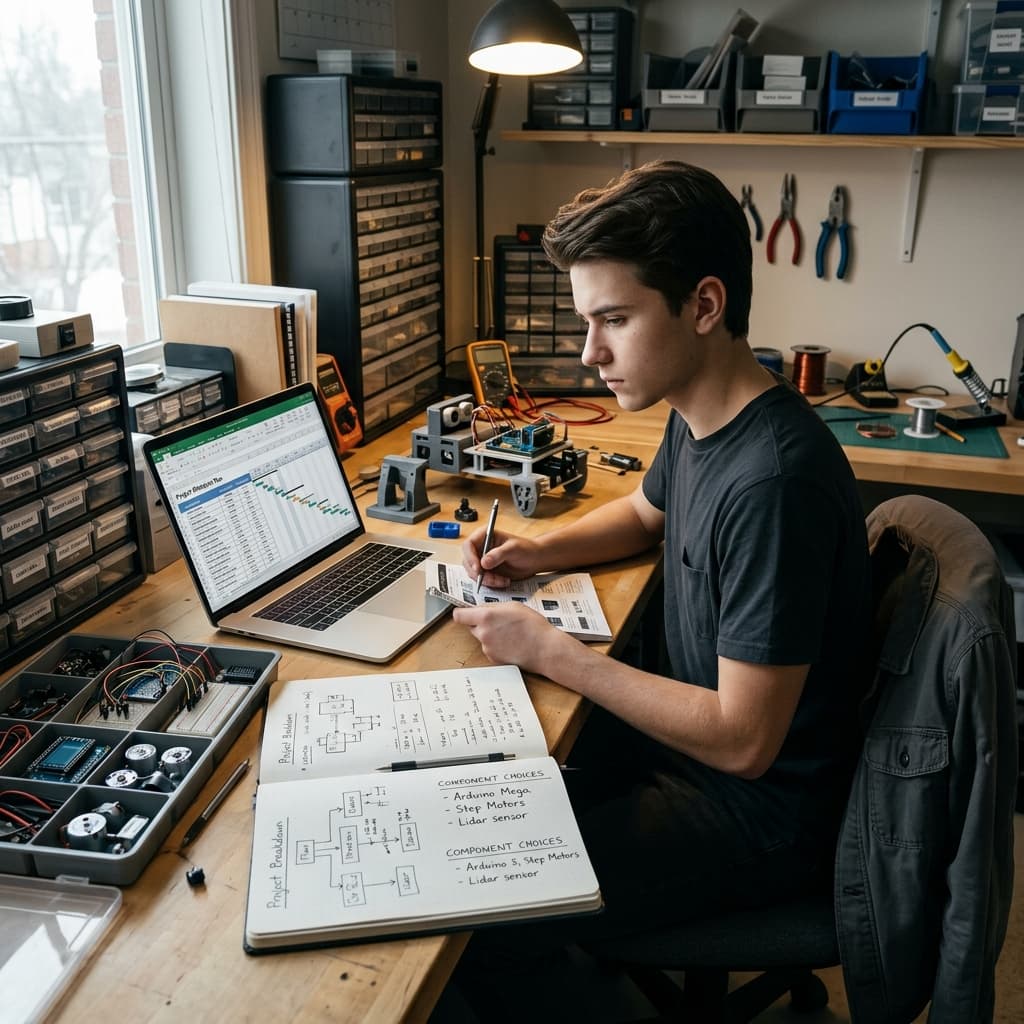
Documentation turns effort into signal.
Alex is no longer just collecting final photos. He is recording what he tried to solve, what constraints shaped the build, what changed, what failed, and what the result actually was. That turns the project into something another person can inspect, not just admire.
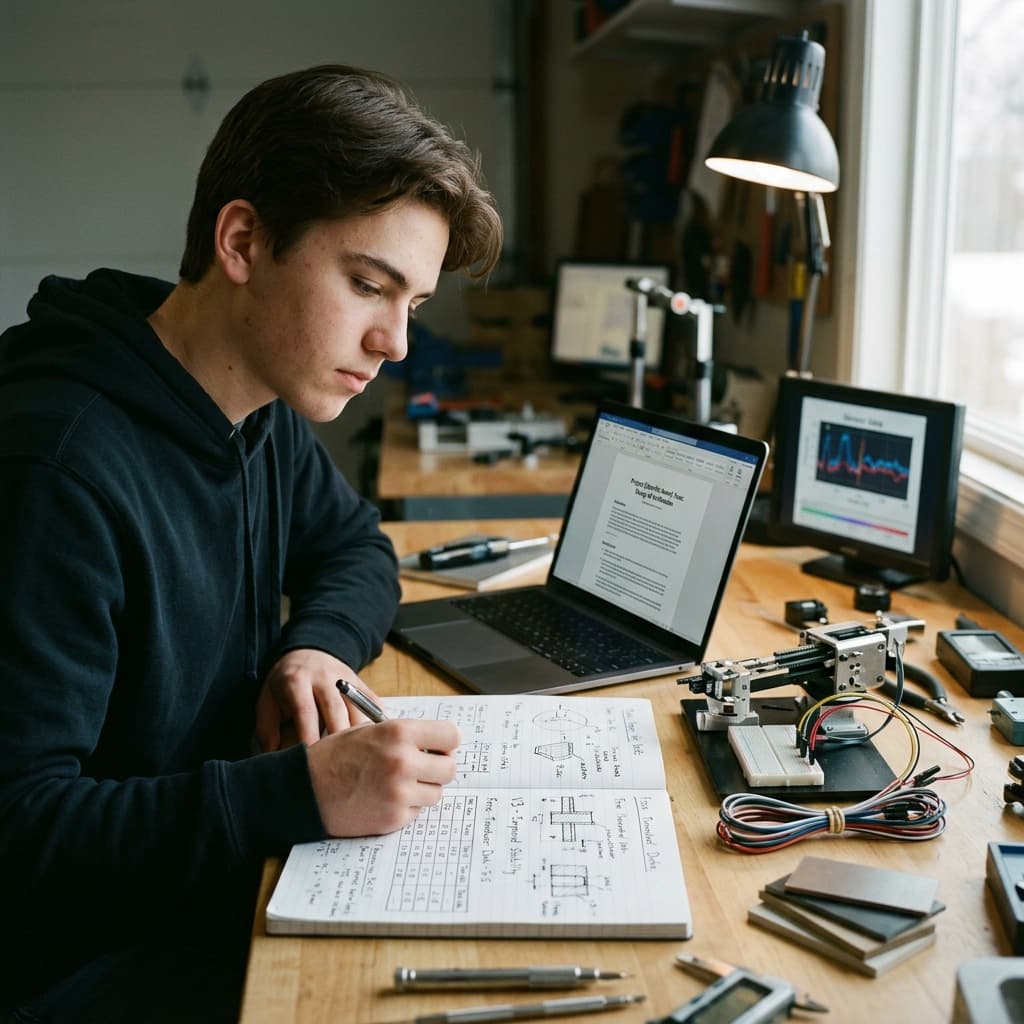
Now the work is easier to trust.
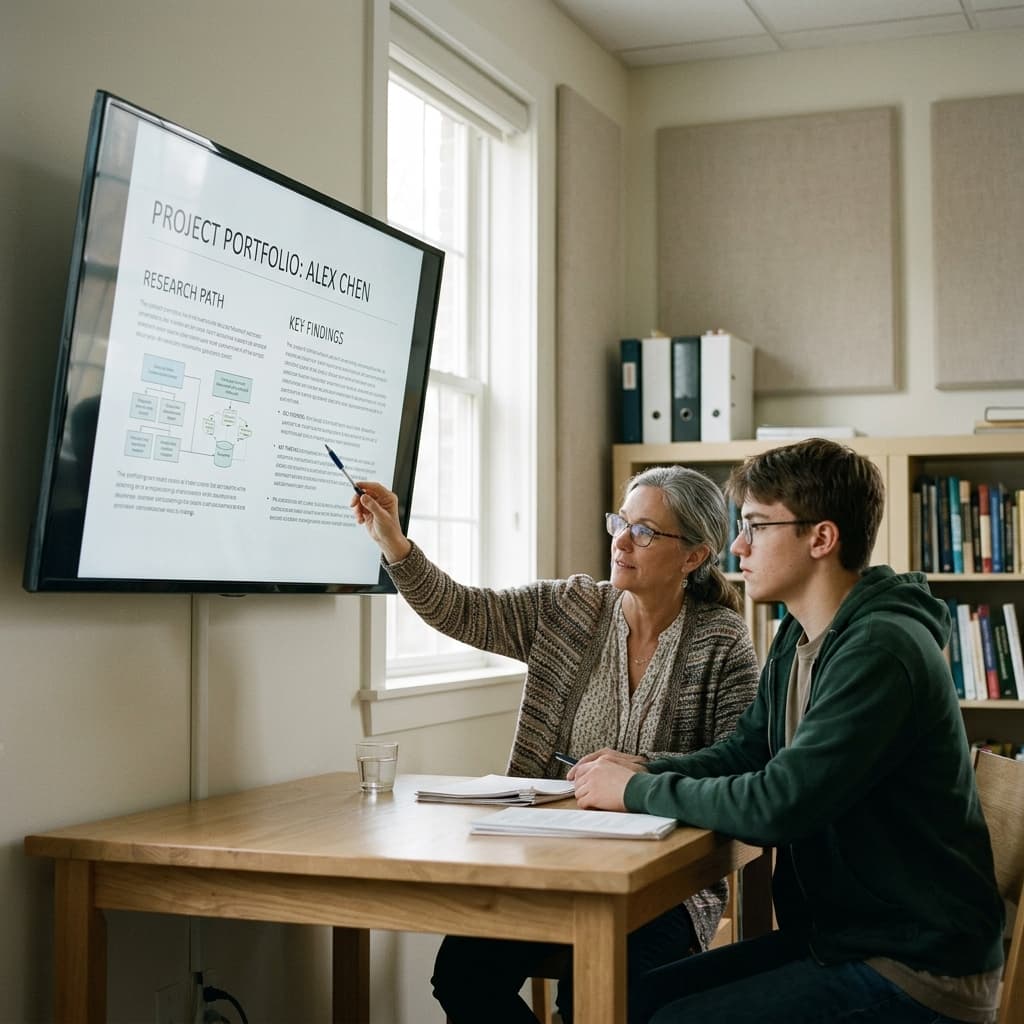
What changes is not only how Alex feels about the project. It is how other people can understand it. A teacher, counselor, or admissions reader now sees a clearer record of the work: the story, the evidence, the iteration, and the review signals around it.
Story 02: The Candidate Trying To Be Understood
A resume cannot carry technical depth by itself.
Maya has done meaningful systems work, but most hiring workflows still reduce her to bullet points and keywords. For complex hardware roles, that creates a gap between what she can actually do and what a reviewer can confidently verify.
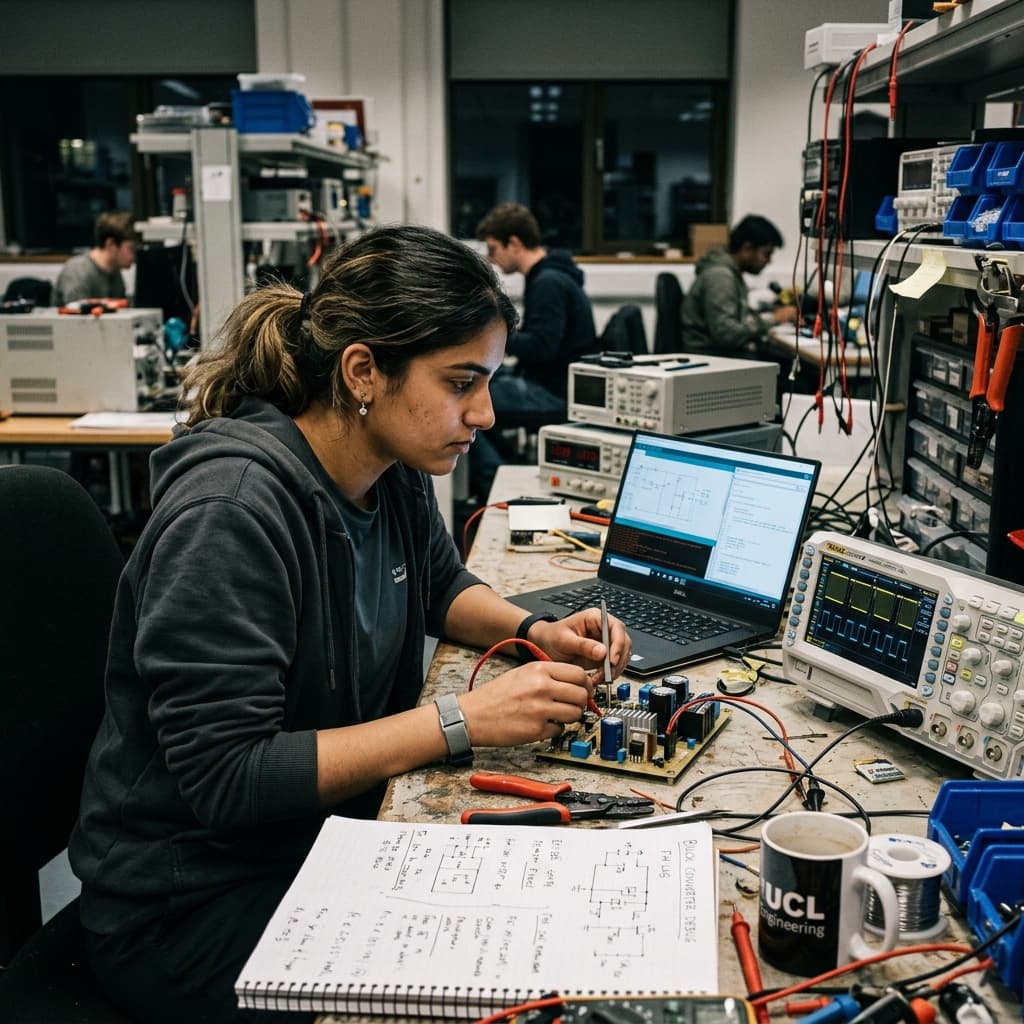
Better evidence changes the conversation.
Maya documents the parts, simulations, trade-offs, and performance behind a serious project. Where needed, she can protect sensitive details while still showing the signals that matter: architecture, iteration, system constraints, and technical judgment.
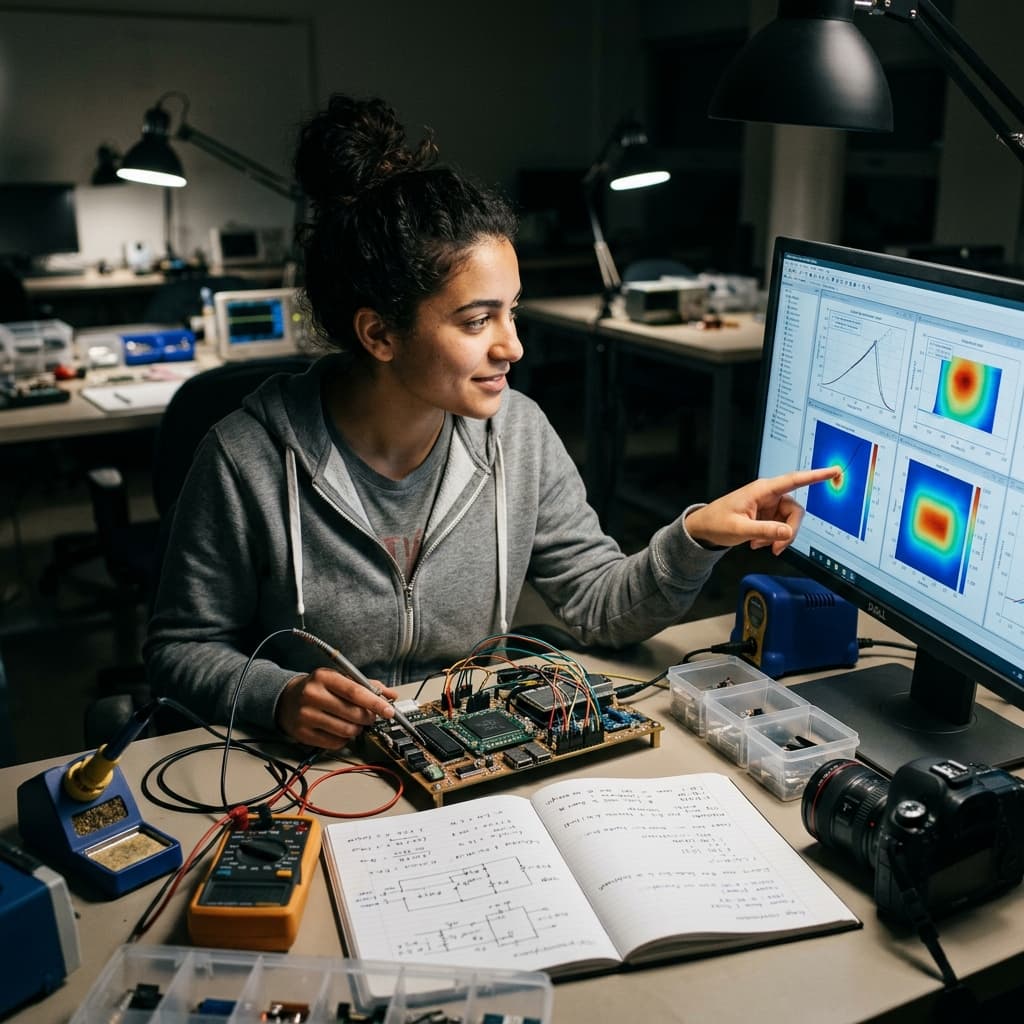
The reviewer gets a better starting point.
When a hiring manager opens Maya's page, they get a clearer picture faster: what she built, how she thought, what evidence exists, and what was actually reviewed. That does not replace interviews or judgment, but it makes the first read far more grounded than a resume alone.
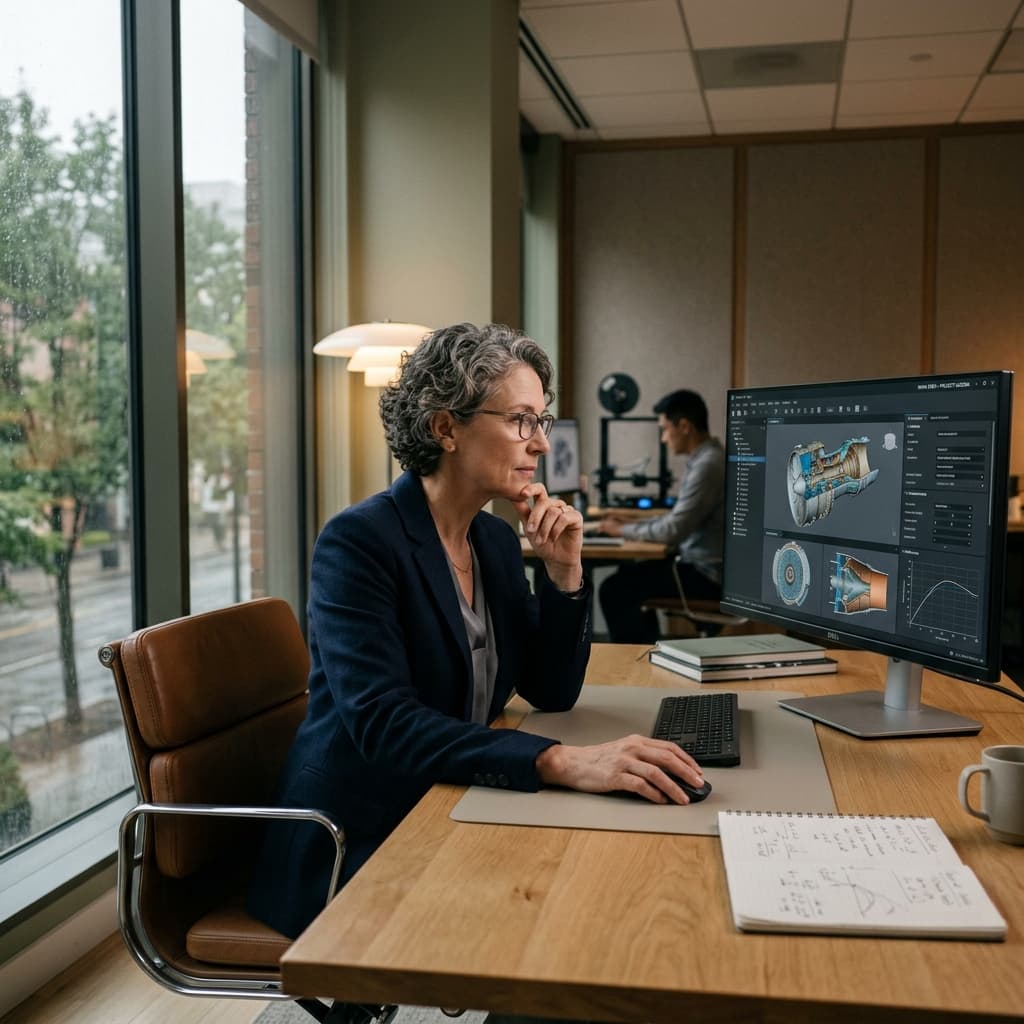
One system, multiple readers.
Syqnal is not just a student page builder. It is meant to make hardware work easier to build, document, review, and trust across school, admissions, and hiring.

A student who needs a stronger way to show engineering ability than grades, claims, and generic project posts.
A serious builder who needs her projects to communicate technical depth, not just ambition.

Senior Hiring Manager using Syqnal to verify talent and streamline recruitment.
The page should not end with inspiration. It should point to action.
These stories only matter if students can actually use the system behind them. That means guided documentation, clearer role understanding, and practical project direction.
See how the system actually works.
If this story feels familiar, the next step is not more branding. It is understanding the guided builder, the evidence model, and the role libraries that help students produce stronger technical proof.